Chingri Curry

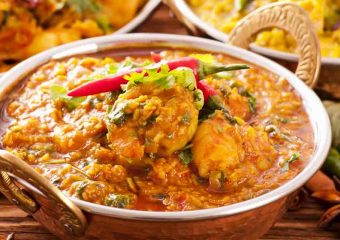
Chingri curry is also known as shrimp malai curry made from shrimp and coconut milk and is preferred with spices. This dish is most popular all over odisha &bengal and served during celebrations, fest and guests and was also very popular between british in calcutta.

Gentle prawn curry with a soothing taste of coconut milk, cinnamon, fresh ginger and yogurt is a celebration for your senses. Perfect dish to prepare in about 30 minutes! Easy, fast and simple, make it for the dinner party. Mix with boiled rice for a full meal.

Procedure

Marinate the prawns in turmeric and salt for an hour. Fry the prawns in hot oil. Remove from the pan. Fry whole garam masala and diced onion in the same pan for a minute. Add ginger, sugar, turmeric, red chilli powder and cumin powder. Add Fried prawns, coconut milk, yogurt and salt to the pan. Boil for 7-8 minutes Add the ghee and cook the prawns for 2 minutes. Garnish the green coriander leaves and serve it warm.

Inigrants

prawns, fresh coconut milk, onions, cinnamon, cloves, green cardamoms, bay leaves, dried red chillies, fresh ginger, turmeric powder, cumin powder, red chilli powder, cooking oil, yogurt, sugar, ghee, salt

Gupchup

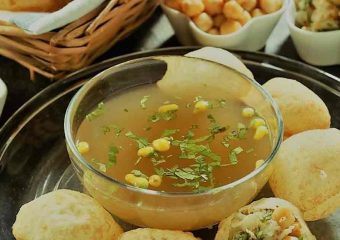
Gupchup – The Universal Food of India: Gupchup, the most renowned food of the state famously known as Golgoppa or panipuri accross India . In the South, its Panipuri or Gapchup presented with Onion and Pudina water and in the East generally in Odisha, Bihar, Jharkhand, and West Bengal its Gupchup.

In the territory of Odisha, Gupchup slows down are generally found in the city of pretty much every city. For the most part close to parks, shopping centers, and stream banks. in odisha ,the best gupchup get in cuttack. The food is generally well known among young ladies and children. Before couple of years Gupshup was modest and was effectively accessible 4 pieces in Re.1 however now at a similar cost barely we can get a piece. Still its the most wanted food in the evening.

Fixings:

For the puri – Maida(flour) (1 cup), Suji(semolina) (1 cup), rice flour (1 tsp, discretionary), salt, oil for broiling the puris.

For the filling – Potatoes ( 2 huge), onion ( 1 huge), bubbled yellow peas (1/4 cup), green chillis (2 nos), coriander leaves, coriander powder (2/3 tsp), cumin-bean stew powder (2/3 tsp), salt to taste.

For the pani – Tamarind, jal jeera (1/3 tsp, discretionary), bean stew powder, coriander leaves(minced), salt to taste.

Readiness:

Puris – mixing rice flour,semolina,salt and some drop of oil with maida. Add almost no water and work into a firm batter. Make little balls out of the batter. Spread into far rotis and cut out little circles utilizing a shaper. Cook till its puffs well and turns out to be truly fresh.

Filling – Boil the potatoes and yellow peas. Permit to cool. Strip the potatoes and pound it. Finely slash the onions, green chillies and coriander leaves. Add the yellow peas, cleaved onions, chillies, and coriander leaves to the squashed potaoes. Sprinkle coriander powder, cumin-stew powder and salt over it. Blend well.

Pani – Add water to the tamarind and crush out the mash. Add more water, jal-jeera, bean stew powder, coriander leaves and salt. The pani ought to be somewhat acrid and hot.

Serving – Make a little opening on one side of the puri. Put in the squashed potato-onion-peas filling. Dunk the puri into the tart pani and relish the taste.

Pakhaḷa

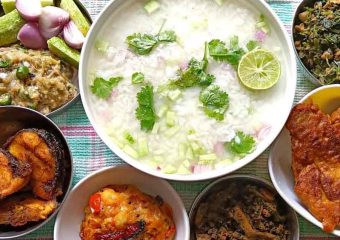
Pakhaḷa (Odia: ପଖାଳ) an oriya expression for an Indian food in which cooked rice is washed or gradually grown in water. The fluid part is known as toraṇi. It is mainstream in Odisha, West Bengal, Jharkhand, Assam, Chhattisgarh, and Tamil Nadu.

In Tamil Nadu it is called Pazhaiya Sadam. The Bengali name for this dish is panta bhat, in Chhattisgarh it’s called bore bhat, in Jharkhand semantic networks use names like paani bhat, paakhaal or pakhala, and in Assam it’s called poita bhat.

It is a readiness that is had during summer, albeit numerous families and networks eat it consistently, particularly for lunch. Individuals who work in the sun, for example, ranch hands have it as it recharges the salt and water lost by the body.

A customary Odia dish, it is set up with rice, curd, cucumber, cumin seeds, singed onions and mint leaves. It is prominently presented with dry cooked vegetables—like potato, brinjal, badi and adventure bhaja or seared fish.

Historical background

The expression “pakhala” is gotten from Pali word “pakhaleiba” (Odia: ପଖାଳିବା, romanized: ପଖଳେଇବା) just as Sanskrit word “Prakshāḷaṇa” (Sanskrit: प्रक्षाळन) which signifies “washed/to wash.” The word pakhaḷa was utilized in the Odia sonnets of Arjuna Das in his scholarly work Kaḷpalata (1520-1530 AD).

History

It is obscure when pakhaḷa was first remembered for the everyday diet of Eastern India, however it was remembered for the formula of Lord Jagannath Temple of Puri around 10. Pakhaḷa is eaten in the eastern piece of the Indian subcontinent (counting Nepal and a few pieces of Myanmar).

To beat the warmth, this dish is cooked and cooled in a bowl with loaded with plain water. Odisha, West Bengal, Assam, and Chhattisgarh additionally have this dish in their cooking. To advance this food, 20 March is praised as Pakhala Dibas or day.

Groupings

  • Jeera Pakhaḷa is made by adding seared cumin with curry leaves to pakhaḷa.
  • Dahi Pakhaḷa  After adding curd with pakhala is known as dahi pakhala. Badi chura is agreed with as a particular position dish with pakhala.
  • Garama pakhaḷa (hot pakhaḷa) is by and large made by adding water in a split second subsequent to making rice or with warm rice.
  • Basi pakhaḷa (basi in Oriya signifies “lifeless”) is made by maturing rice by adding water which is for the most part kept for the time being and eaten in the following day. It is additionally known by the names basi amana or basyam (in a real sense importance lifeless cooked rice).

Arrangement

The dish is ordinarily set up with rice that is cooked and permitted to cool. Cook ordinary rice, at that point cool it. Pour water in a bowl and add  rice in it.  In a skillet, heat a spot of oil, add mustard seeds, curry leaves, dry red bean stew and fry well. After that Add this chhunka Or tadka in  the dahi pakhala bowl. One can add mint leaves and crude salt to upgrade the taste. To add seriously punch, one may pick fish fry or sukhua poda (dry fish seared), adventure bhaja, badi chura (a provincial food thing comprised of player of urad or dark gram by drying under daylight as little nuts and afterward singed to serve) and significantly more. Cumin seeds are singed, ground into a fine powder and added to curd with coriander leaves and salt.

It is some of the time presented with a fish fry and spinach.

Conventional arrangement

Pakhaḷa is somewhat aged rice. The rice is cooked, water is added with tad of old pakhal (something like making curd utilizing milk and old curd). Pakhaḷa tastes best when served following 8 hours after arrangement; for this situation, no old pakhal is needed to be added to the rice as maturation ordinarily occurs following 6 hours of keeping rice in water. The Pakhala without help from anyone else tastes somewhat harsh, yet additionally glue of green stew, Green Mango and Ginger is added to give the Pakhala somewhat hot and sweet flavor.

For the most part consumed potato or aloo poda (bubbled is additionally utilized) and other singed vegetables or seared fish is presented with pakhaḷa. Current variety is to add curd as opposed to maturing it.

Pakhala Dibasa (Universal Pakhala Day)

20 March is pronounced Pakhala Dibasa (Universal Pakhala Day) by Odias around the world. Individuals eat Pakhala and advance the dish.


Chhena poda

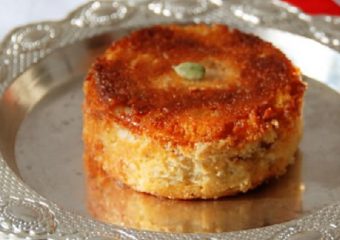
Chhena poda (transl. Baked cheddar) is a cheddar dessert from the Indian territory of Odisha. Chhena poda in a real sense implies Baked Cheese in Odia. It is made of very much plied custom-made new cheddar chhena, sugar is prepared for a few hours until it earthy colors. Chhena poda is the solitary notable Indian pastry whose flavor is overwhelmingly gotten from the caramelization of sugar.

History

Chhenapoda started in the Odia town of Nayagarh in the principal half of the 20th century. The proprietor of a candy store, Sudarshana Sahoo chose to add sugar and flavors to extra curds one evening, and left it in a stove that was still warm from before use. The following day, he was enjoyably astounded to discover what a delicious pastry he had made. Today, it is additionally made and is mainstream in numerous territories of India. Additionally it is a renowned and famous treat in seaside Odisha, India.

Request

Request and offer of Chhenapoda is enormous in Odisha with each sweet shop setting up its own flavor either from sugar or gud (jaggery). Its state of a cake frequently draws in an immense number guests to eat something and take it home as the “Flavor of Odisha”.

Planning

Chhena poda is generally made at home during customary celebrations in Odisha, like Durga Puja. It is likewise served in little conventional side of the road slows down and candy parlors all through the state alongside different rarities, for example, rasagolla. Since the mid-1980s, it has step by step discovered its place in café menus across Odisha. Odisha Milk Federation is putting intensely in mass-creating and promoting this delicacy, decided not to allow this to happen once more.

Recipe

Ingredients

  • 2 lbs part-skim Ricotta cheese
  • 3 tbsp sooji
  • 15 tbsp of sugar
  • 1 cup raisins
  • 1 cup cashew nuts (preferably raw)
  • Cardamoms
  • 1 cup water