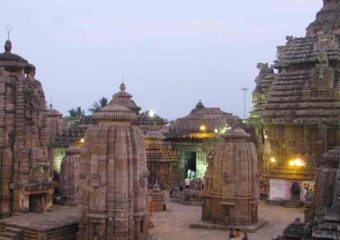
Top 10 Best Tourist Places to Visit in Bhubaneswar

The capital of Odisha, Bhubaneswar, is a city rich in history and culture. Beautiful temples, a thriving arts scene, and a historic past have earned this city worldwide recognition. If you are wondering what to see in Bhubaneswar on your upcoming trip, you are in luck.

Tourist attractions in Bhubaneswar This article will take you on a tour of Bhubaneswar’s beautiful past and present by highlighting the top 10 tourist attractions in the city. All the most well-known, stunning, historic, and one-of-a-kind attractions in Bhubaneswar are included. Travelers often wonder what they should see and do when in Bhubaneswar. Bhubaneswar is well-known for many things, from its stunning historic temples and museums to its wonderful Odia cuisine, its lovely lakes, and its thriving marketplaces.

So, get ready to explore Bhubaneswar’s top attractions with our in-depth travel guide to the city’s biggest attractions. The city’s many parks, marketplaces, and other sights and sounds make it a great place to spend a weekend. Bhubaneswar is home to numerous information technology and software firms, which collectively employ thousands of experts in their fields. Most of the state government is also located in the city.

1. Lingaraj Temple
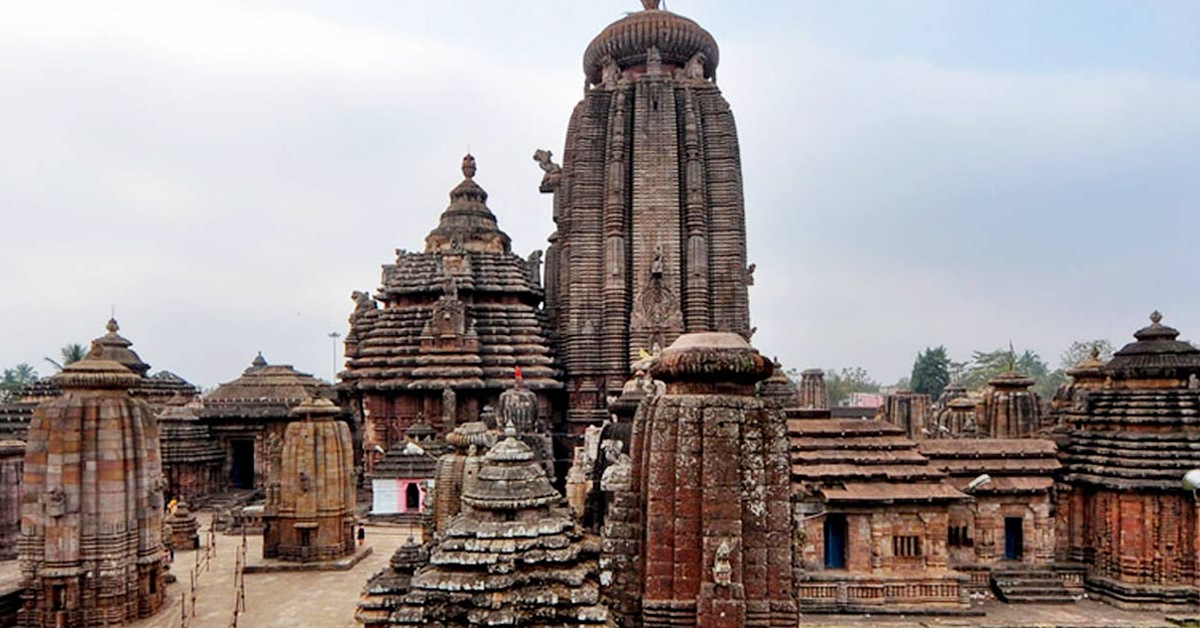
Bhubaneswar’s Lingaraj Temple is one of the city’s most popular attractions. It was built in honor of Shiva and serves as a superb illustration of Kalinga-era architectural achievements. The Lingaraj Temple has a spire that is 180 feet tall and is covered with ornate carvings and sculptures. Several smaller shrines, each honoring a different deity, are interspersed throughout the main temple complex. Lingaraj Temple is significant not only from a religious standpoint but also from a historical and architectural perspective.

The temple’s elaborate sculptures shed light on the region’s illustrious cultural history as they reflect incidents from Hindu mythology like the Kalinga conflict. The regular rites and rituals performed at the temple add another layer of immersion for visitors. The convenience of the temple’s central location in the city makes it a popular destination for tourists, who can also visit the neighboring Bindu Sagar Lake and other ancient temples. Anyone with even a passing curiosity about Hinduism, architecture, or history should make the trip to Lingaraj Temple. It’s one of a kind and unforgettable because of its grand architecture, religious importance, and cultural significance. Without a doubt, the Lingaraj Temple is the best tourist attraction in all of Bhubaneswar. Here are the 20 best tourist destinations in Odisha that you should not miss.

2. Rajarani Temple

Bhubaneswar’s Rajarani Temple is one of the city’s top attractions. The Rajarani Temple, which was constructed in the 10th century, is well-known for its extraordinary design and detailed sculptures. The temple’s distinctive appearance is due to the use of soft red and yellow sandstone in its construction. The temple’s intricate carvings, which reflect stories from Hindu mythology, are a tribute to the artists’ ability and expertise. The stunning sculpture of the sacred bull Nandi, which guards the entry to the Rajarani Temple, is one of the building’s most eye-catching elements. There are numerous other stunning sculptures and carvings inside the temple that make it a premier Bhubaneswar tourist destination. The Rajamani Temple in Bhubaneswar is a must-see.

3. Dhauli Peace Pagoda / Dhauligiri Hillss
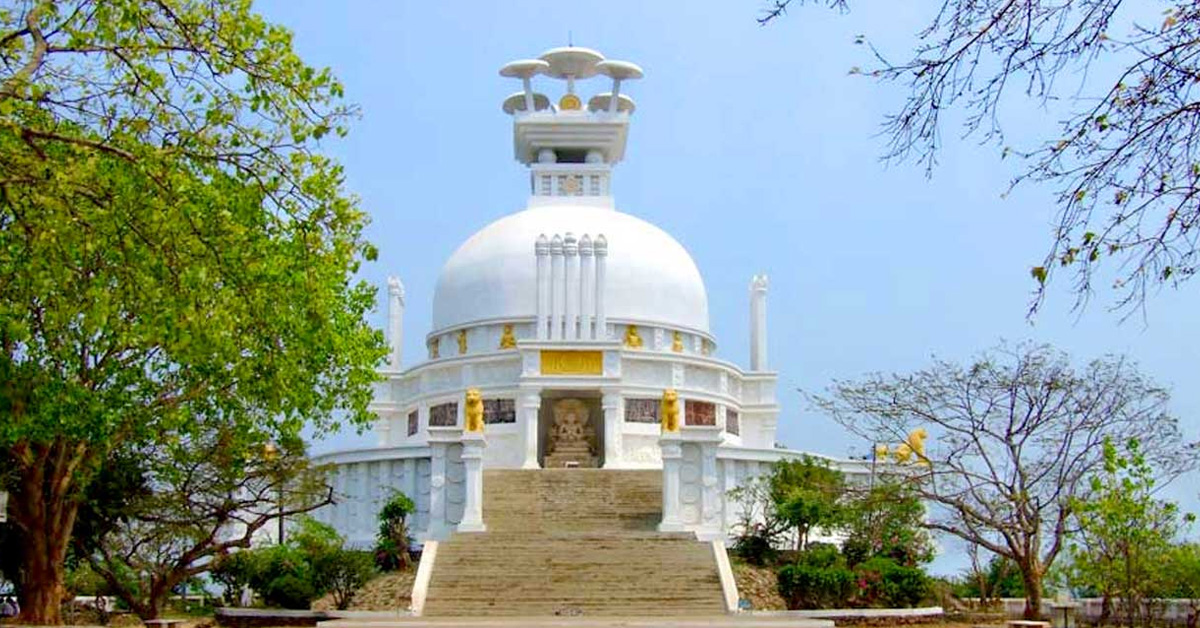
Dhauli Peace Pagoda Bhubaneswar is one of the city’s top tourist attractions. The Dhauli Peace Pagoda, constructed in 1972, stands as a symbol of calm and cooperation. On the banks of the Daya River, the pagoda provides breathtaking panoramas of the Dhaulagiri Hills and their environs. The pagoda is covered with elaborate carvings and sculptures that depict scenes from Buddha’s life and explain his teachings. The 16-foot-tall white marble statue of Buddha is one of the most eye-catching aspects of the Dhauli Peace Pagoda. Numerous additional exquisite sculptures and carvings can be found inside the pagoda, making it an absolute must-see for everyone passing through Bhubaneswar. The Dhauligiri Hills are a breathtaking sight and a popular tourist destination in Bhubaneswar.

4. Udayagiri and Khandagiri Caves

Bhubaneswar’s Udayagiri and Khandagiri Caves are two of the city’s most popular attractions. The Udayagiri and Khandagiri Caves are a must-see for any history buff since they include exquisite carvings and sculptures from the 1st century BC. The Udayagiri Caves are a popular tourist attraction in Bhubaneswar, but getting there is no easy feat. It is said that Jain monks once meditated and worshiped in these caverns, which take their name from the hill on which they are situated. Close by the Udayagiri Caves, the Khandagiri Caves are also rumored to have been utilized by Buddhist monks. Despite being less well maintained than the Udayagiri caverns, the caverns, which get their name from the shattered hill they sit on, are nonetheless well worth a visit for their historical significance. Scenes from Hindu and Buddhist mythology are shown in the exquisite carvings and sculptures found throughout the Udayagiri and Khandagiri Caves. Numerous inscriptions and historical papers documenting the past of the area are also kept within the caverns. The caves of Udayagiri and Khandagiri are among Bhubaneswar’s most visited attractions.

5. Nandankanan Zoological Park

Top 10 Best Tourist Places to Visit in Bhubaneswar: Nandan Kanan Zoo, Bhubaneswar Among the many species that call the 400-acre Nandankanan Zoo home are lions, tigers, and elephants. The park contains a botanical garden and a lake in addition to its animal displays, making it an ideal location for a day trip. The tranquil ambiance and beautiful scenery of the park make it an ideal spot for a stroll and some quiet thought. The white tiger display at Nandankanan Zoo is a must-see. Several white tigers, a critically endangered species, make their home in the park. Many guests visit the park for the sole purpose of gazing upon the white tigers. The park features a toy railway, a children’s play area, and a gift shop in addition to its animal exhibits. You can stop at one of the many food stands or eateries in the park for a bite to eat or a cold drink. One of the most well-known attractions in Bhubaneswar is the Nandankanan Zoological Park.

6. ISKCON Temple

Bhubaneswar’s ISKCON Temple is one of the city’s top tourist attractions. Bhubaneswar The ISKCON Temple, devoted to the Hindu god Krishna, can be found on the outskirts of the city and is a popular destination for both locals and visitors. There are beautiful carvings and sculptures all over the temple’s walls and pillars. There is a calm and serene feeling inside as worshipers sing and pray in the stunning interior. The ISKON complex houses a library, vegetarian cafeteria, and gift shop selling religious literature and trinkets in addition to the main temple. The ISKCON Temple is a great spot to go if you’re looking for some quiet time in Bhubaneswar.

7. Bindu Sarovara

Bhubaneswar, India’s Top 10 Attractions: The Temple of Shiva at Manikarnika Many pilgrims visit the Bindu Sarovara Pond in hopes of receiving divine favor and healing from the waters. The pond’s tranquil setting is enhanced by the surrounding gardens and trees. Many people visit the pond in hopes of curing their ailments by soaking in the pond’s waters, which are supposed to have healing effects. Bindu Sarovara is not just a holy site but also a lovely place to spend time in nature. You can take a stroll through the beautiful grounds that surround the pond and enjoy some peace and quiet.

8. Ekamra Haat
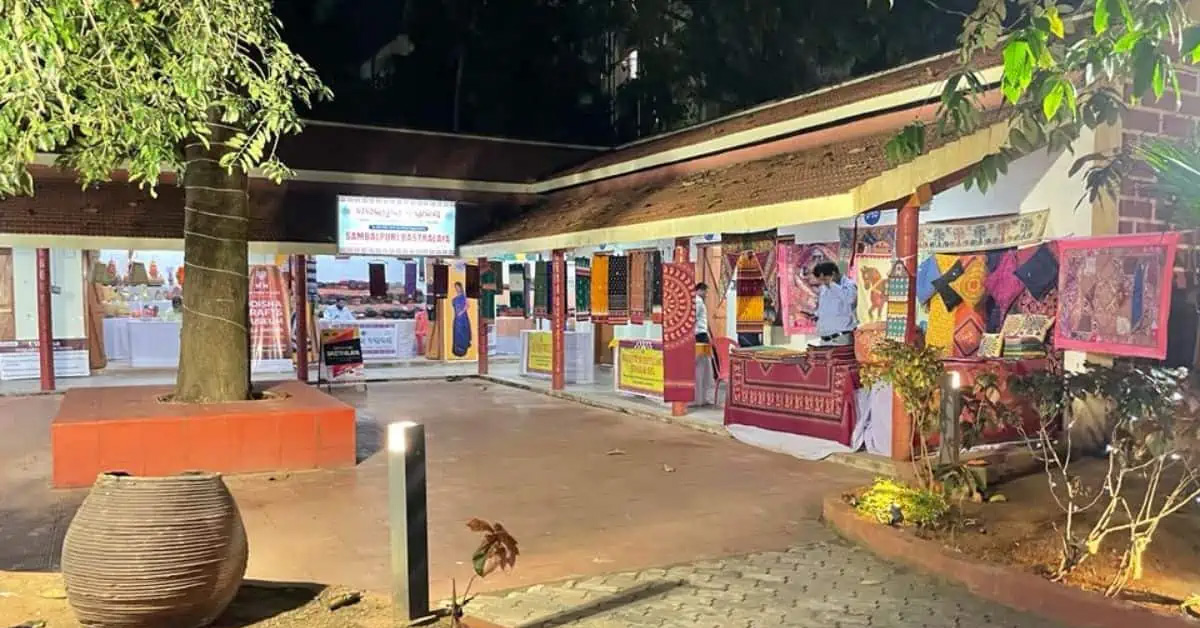
Bhubaneswar’s Ekamra Haat is one of the city’s top tourist destinations. The 100 acres of Ekamra Haat’s gardens, trees, and bushes make it an ideal place to enjoy a day in the fresh air and sunshine. In addition to its stunning scenery, Ekamra Haat also features a number of interesting historical sites. The park features an amphitheater for public concerts and a number of museums and galleries that highlight the area’s rich cultural heritage. The Odisha Handloom Sarees, handicrafts, textiles, and other products manufactured by local craftsmen may all be found at the Ekamra Haat, a traditional market and one of the highlights of Ekamra Kanan. The market is a fascinating and exciting site to visit, and not just because of the goods and presents it sells. To have a fantastic experience at the Ekamra Haat, reserve a spot on one of the Ekamra Walk Trails. Among the many interesting destinations in Bhubaneswar, Ekamra Haat stands out.

9. Odisha State Museum

Museum of the State of Odisha The Odisha State Museum is conveniently located in the downtown area, and it houses numerous displays that highlight the state’s vibrant history and culture. Ancient artifacts, sculptures, and pictures are shown in the museum’s many galleries. Learn about Bhubaneswar’s past and present with ease because of the exhibits’ clear labels and illuminating descriptions. The museum’s antique sculpture and carving collection is a major draw. Dating back to the 1st century BC, these exquisite works offer a fascinating window into the past and are a must-see for any history buff. The museum features a cafeteria where visitors may refuel as well as a gift shop where they can pick up some mementos and reading materials.

10. Ram Mandir

Bhubaneswar’s Ram Temple The Hindu temple Ram Mandir is renowned for its beautiful design and ornate sculptures and is dedicated to Rama. Scenes from the Hindu epic Ramayana are carved and sculpted all over the temple’s facade. Beautiful frescoes and murals surround the walls and ceilings of the temple, making the interior just as stunning as the outside. Ram Mandir is not just a place of worship but also one of cultural value. The temple’s tranquil environment makes it a great place to rest after a long day, and the large courtyard is frequently utilized for religious festivals and other events. You won’t find a more tranquil spot in all of Bhubaneswar than Ram Mandir.
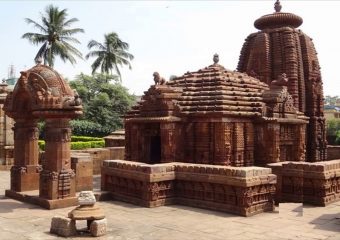
Baitala Deula

Baitala deuala  or Vaitala deuala (Odia: ବଇତାଳ ଦେଉଳ) is an 8th-century Hindu temple in Bhubaneswar, the capital city of Odisha, India, dedicated to Goddess Chamunda in the typical Khakara style of Kalinga architecture. Tini-mundia deula is another name for it because of the three spires on top, which are very distinctive and unusual features. The three spires are thought to represent the goddess Chamunda’s three powers: Mahasaraswati, Mahalakshmi, and Mahakali.

Architecture:

The striking feature of Baitaḷa Deuḷa  Temple is the shape of its sanctuary tower. Its semi-circular roof is a prime example of the Khakhara order of temples, which is similar to the Dravidian Gopuram found in South Indian temples. Its gabled towers, punctuated by a row of Shikharas, reveal unmistakable signs of southern intrusion. The deuala’s plan is oblong, and the Jaganmohan is rectangular, but there is a small subsidiary shrine embedded in each angle. Baitala deuala boasts of some figures that, despite being executed in relief, are distinguished by delicacy of features and perfect equipoise.

Panels portraying Hindu deities, notably Shiva and his consort Parvati, hunting processions, catching wild elephants, and the rare sexual pair, adorn the outside walls.

The lower chaitya window has a carved figure of the sun god, Surya, with Usha (Dawn) and Pratyusha throwing arrows on either side and Aruna in front, driving a chariot of seven horses, and the upper one has a carved figure of the sun god, Surya, known for its facial expression.

A 10-armed Nataraja, Shiva’s dancing form, is shown in the medallion in the upper Chaitya window. A stone pillar with two Buddha-like figures seated in Dharma-Chakra-Pravartana mudra stands in front of the flat-roofed Jagamohana.

The temple’s Tantric links are very prominent, as seen by spooky carvings in the sanctum. The fearsome form of the goddess, eight-armed Chamunda, locally known as Kapaini, is housed in the middle niche. Baitala Deuala is thus a Shakti shrine.

The Deity:

Chamunda or Charchika, the presiding deity, sits on a corpse flanked by a jackal and an owl and adorned with a garland of skulls. She is piercing the demon’s neck with a snake, bow, shield, sword, trident, thunderbolt, and arrow. A chaitya window with sitting images of Shiva and Parvati crowns the niche.

Chamunda is flanked by a slew of smaller allied deities carved into the lower walls, each in their niche separated by a pilaster. The skeleton form of Bhairava, Chamunda’s counterpart, is shown on the east wall, to the right of the door. The other, engraved on the north wall, emerges from the ground, his skull-cup filled with the blood of a person whose severed head is on the right. A jackal eating on the severed victim on the right and a woman clutching ahead on the left flank an offering of two more heads on a tray sitting on a tripod on the pedestal.

The stone pillar in front of the Jaganmohan, to which sacrificial gifts were fastened, adds to the temple’s tantric nature. Although the early morning sun illuminates the interior, artificial light is required to see in the darkness.

Rajarani Temple

Rajarani Temple is a Hindu temple of the eleventh century, which is situated in Bhubaneswar, the capital of Odisha (Orissa ), India.

First, this temple was called Indreswara. It is privately known as an “adoration temple” in light of the suggestive carvings of ladies and couples in the temple. Rajarani Temple is worked in the Pancha Ratha style on a raised stage with two constructions: a focal holy place called the vimana (sanctum) with a bada (curvilinear tower) over its rooftop ascending to a stature of 18 m (59 ft), and a review lobby called Jagamohana with a pyramidal rooftop. The temple was developed of dull red and yellow sandstone privately called “Rajarani”. There are no pictures inside the sanctum, and thus it isn’t related to a particular faction of Hinduism yet extensively named Saivite dependent on the specialties.

Different history specialists place the first development date between the eleventh and twelfth hundreds of years and have set it generally having a place with the similar period as the Jagannath Temple at Puri. The engineering of different temples in focal India is accepted to have begun with this temple, the remarkable ones being the Khajuraho temples and Totesvara Mahadeo temple in Kadawa. There are different figures in the dividers around the temple, and the vimana, portraying scenes of the marriage of Shiva, Nataraja, Parvati, and incorporate tall, slim, complex nayikas in different jobs and states of mind like diverting their head from a starved austere, stroking her youngster, holding a part of the tree, taking care of her latrine, investigating a mirror, removing her anklet, touching her pet bird and playing an instrument. Rajarani Temple is kept up by the Archeological Survey of India (ASI) as a tagged (pay to enter) landmark.

History

Given the sculptural structural style, the temple is dated to the mid-eleventh century. Earthy colored gatherings the temple alongside Anant Vasudev Temple and spots it around the eleventh twelfth hundreds of years. Panigrahi, who did a complete examination of Orissan temples, gives an undefined date between Lingaraj Temple and Mukteswara Temple. Fergusson accepts development of the temple was started around 1105. George Michell accepts the temple was worked during a similar time as Lingaraja Temple. Rajarani Temple generally has a place with a similar period as the Jagannath Temple at Puri. The design of different temples in focal India began from this temple. The remarkable ones in the classification are the Khajuraho sanctuaries and the Totesvara Mahadeo temple in Kadawa. Researchers accept dependent on the style that the temple may have been worked by Somavamsi lords who moved from Central Indis to Orissa during the period. Rajarani temple is kept up by the Archeological Survey of India (ASI) as a tagged landmark.

lingaraj temple

The Lingaraja temple is a Hindu temple where lord shiva is worshiped. It is one of the oldest temples of Bhubaneswar, the capital of Odisha. The temple is the most prominent place of Bhubaneswar city is an alternate tourist attraction station of the state.

The Lingaraja temple is the biggest temple of Bhubaneswar. This temple is built by the Somavamshi dynasty of king Yayati. This temple is at a height of 55m. It’s built with a mixture of Deula, Jagamohan, Nata Mandira, Bhoga Mandap. There are many small temples on the premises of the temple and enclosed by a large compound wall.

The temple is dynamic in love rehearses, dissimilar to most different sanctuaries in Bhubaneswar, and Shiva is loved as Harihara, a joined type of Vishnu and Shiva. The sanctuary has pictures of Vishnu, perhaps on account of the rising noticeable quality of the Jagannath order exuding from the Ganga rulers who constructed the Jagannath Temple in Puri in the twelfth century. The focal divinity of the sanctuary, Lingaraja, is venerated both as Shiva and Vishnu. The agreement between the two groups of Hinduism, Shaivism, and Vaishnavism, is found in this sanctuary where the divinity is revered as Harihara, a joined type of Vishnu and Shiva.

Lingaraja temple is kept up by the Temple Trust Board and the Archaeological Survey of India (ASI). The temple has a normal of 6,000 guests each day and gets lakhs of guests during celebrations. Shivaratri festival is an important festival to be celebrated in the temple and during 2012, I saw 200000 in the morning. The temple compound isn’t available to non-Hindus; however, there is a review stage next to the divider offering a decent perspective on the primary outsides. This was initially raised for a little while by Lord Curzon when Viceroy.

History

Lingaraja, in a real sense, implies the ruler of Lingam, the famous type of Shiva. Shiva was initially revered as Kirtivasa and later as Harihara and is ordinarily alluded to as Tribhuvaneshwara (additionally called Bhubaneswar), the expert of three universes, in particular, paradise, earth, and the underworld. His associate is called Bhuvaneshvari.

The temple in its current structure traces back to the most recent decade of the 11th century. There is proof that a piece of the temple was worked during the 6th century CE as referenced in a portion of the seventh century Sanskrit messages. Fergusson accepts that the temple may have been started by Lalat Indu Keshari who ruled from 615 to 657 CE. The assembly hall ( JagaMohan ), while the hall of offering (Bhoga Mandap) was constructed during the twelfth century. The Nata Mandira was worked by the spouse of Salini somewhere in the range of 1099 and 1104 CE. When the Lingaraja temple was developed, the Jagannath (type of Vishnu) organization had been filling around there, which antiquarians accept, is proven by the concurrence of Vishnu and Shiva love at the temple. The rulers of the Ganga line were vigorous devotees of Vaishnavism and fabricated the Jagannath Temple at Puri in the twelfth century.

According to certain records, the temple is accepted to have been worked by the Somavamshi lord Yayati I(1025-1040), during the eleventh century CE. One of the Somavamsi sovereigns gave a town to the temple and the Brahmins connected to the temple got liberal grants. An engraving from the Saka year 1094 (1172 CE) demonstrates the blessings of gold coins to the temple by Rajaraja II. Another engraving of Narasimha I from the eleventh century demonstrates the offer of beetle leaves as tabula to the managing god.

K.C. Panigrahi refers that Yayti I had no ideal opportunity to assemble the sanctuary and it ought to have been started by his children Ananta Kesari and Udyaokt Kesari (different name of Yayati also). The contention gave against the view is that is his frail replacements couldn’t have built a particularly brilliant construction.

Some episodic records show that the temple was dispatched by the king of Gauda Sashanka (passed on c. 637 CE)

Festival and worship practices

According to Hindu legend, an underground stream starting from the Lingaraja sanctuary fills the Bindusagar Tank (which means sea drop) and the water is accepted to mend physical and otherworldly disease. The water from the tank is in this way treated holy and travelers take a heavenly plunge during bubbly events. The focal divinity of the sanctuary, Lingaraja, is loved both as Shiva and Vishnu. The congruity between the two organizations of Hinduism, Shaivism, and Vaishnavism, is found in this sanctuary where the divinity is revered as Harihara, a joined type of Vishnu and Shiva.

Shivaratri is the fundamental celebration praised yearly in Phalgun month when a huge number of lovers visit the temple. Aside from an entire day of fasting, bel leaves are offered to Lingaraja on this propitious day. The primary festivals occur around evening time when fans implore throughout the evening. The ardent ordinarily break their quick after the Mahadipa (an immense light) is lit on the tower of the temple. This celebration honors Lingaraja having killed an evil spirit. A great many Bol Bom travelers convey water from waterway Mahanadi and walk right to the temple during the period of Shravana consistently. Sunan day is seen from regal occasions in the period of Bhandara, a day when temple workers, laborers, and different holders of temple lands offer dedication and recognition for Lingaraja. Candan Yatra (Sandalwood function) is a 22-day celebration celebrated in the temple when workers of the temple disport themselves in an extraordinarily made barge in the Bindusagar tank. The divinities and workers of the temples are blessed with sandalwood glue to shield them from heat. Moves shared banquets, and fun is masterminded by individuals related to the temple.

Consistently the chariot celebration (Ratha-Yatra) of Lingaraja is praised on Ashokashtam. God is taken in a chariot to Rmeswar Deula. A huge number of lovers follow and pull splendidly beautified chariots containing the symbols of Lingaraja and his sister Rukmani.

The Lingaraja temple is dynamic in love rehearses, not at all like the other antiquated temples of Bhubaneshwar which are not dynamic love places. Non-Hindus are not permitted inside the temple, however, it tends to be seen from the review stage situated external the sanctuary. The review stage and the rear of the temple can be reached through a line way situated to one side of the fundamental passage of the temple. The sacredness of the temples is kept up by forbidding canines, unbathed guests, bleeding ladies, and families that experienced birth or passing in the first 12 days. If there should be an occurrence of an unfamiliar trespass, the temple follows a purging custom and unloading of prasad (food offering) in a well.