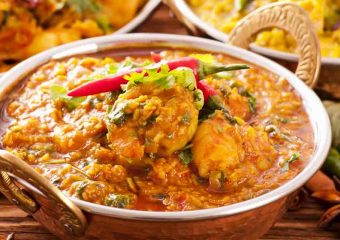
Chingri Curry

Chingri curry is also known as shrimp malai curry made from shrimp and coconut milk and is preferred with spices. This dish is most popular all over odisha &bengal and served during celebrations, fest and guests and was also very popular between british in calcutta.

Gentle prawn curry with a soothing taste of coconut milk, cinnamon, fresh ginger and yogurt is a celebration for your senses. Perfect dish to prepare in about 30 minutes! Easy, fast and simple, make it for the dinner party. Mix with boiled rice for a full meal.

Procedure

Marinate the prawns in turmeric and salt for an hour. Fry the prawns in hot oil. Remove from the pan. Fry whole garam masala and diced onion in the same pan for a minute. Add ginger, sugar, turmeric, red chilli powder and cumin powder. Add Fried prawns, coconut milk, yogurt and salt to the pan. Boil for 7-8 minutes Add the ghee and cook the prawns for 2 minutes. Garnish the green coriander leaves and serve it warm.

Inigrants

prawns, fresh coconut milk, onions, cinnamon, cloves, green cardamoms, bay leaves, dried red chillies, fresh ginger, turmeric powder, cumin powder, red chilli powder, cooking oil, yogurt, sugar, ghee, salt

Bhimkund Waterfall

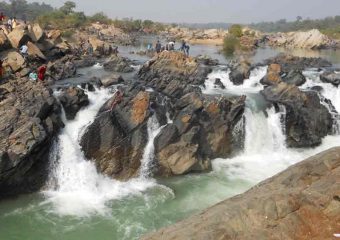
Bhimkund waterfall is a wonderful natural statement of natural beauty, surrounded by a green jungle. The rajasi baitarani river provides two of the most beautiful and flowing streams of natural lovers which are called sankund and badakund. The cascade has a tremendous quality of giving marvelous experience to the guests because of huge vertical formed canyon and speeding current and makes the climate smokey. Further enormous thundering sound of cascade makes the spot generally intriguing among sightseers. This cascades is considered as a most hallowed spot in strict perspective. Nearby individuals accumulate here during yearly festival of Makar Sankranti in enormous numbers. Folklore is that Pandavas were remaining some time here during their strict campaign

Bhimkund 40 Kms.from Karanjia, close to Booring town in Thakurmunda P.S. is the hallowed pool BHIMKUND” in the stream Vaitarani. The legend uncovers that Bhima, the second Pandava used to clean up in this pool when the Pandavas were passing their undercover life in Birat Nagar, said to be the present Kaptipada.During Makar Festival in the period of January a huge number of individuals assemble here to take their sacred plunge. The spot can likewise be drawn closer from Dhenkikote (20 Kms.) on S.H. No 11 interfacing Keonjhar and Panikoili.

Badaghagara Waterfall

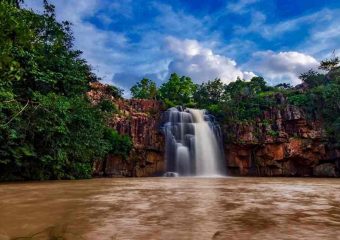
The Badaghagara Waterfall is a cascade of the Kendujhar region in the Indian province of Odisha.

Badaghagara is situated a ways off of 9 km from the area central command (Kendujhar) of Kendujhar region. Being an enduring wellspring of water, a dam has developed on the downstream side. It is arranged a ways off of 3 kilometers on the downstream of Sanaghagara Waterfall.

Sanaghagra Waterfall is the most well known cookout spot of Odisha, it is famous to the point that during season time, Nov-Jan, you won’t discovered a spot for outing in the event that you are late to arrive at the spot.But the outing spot is close to the cascade. For cascade you need to cover some separation from primary road.Now the specialists have pleasantly fostered the close by regions with park and nursery, which were not there earlier.Though you can appreciate the wonderful perspective on cascade from top yet on the off chance that you need to contact the water and for more view you need to go down through steps. Truly excellent cascade.

The falls

It is an enduring cascade. The Machha Kandana, a little waterway, plunges from a tallness of 60 meters (200 ft) in a solitary drop.

Jeypore Koraput

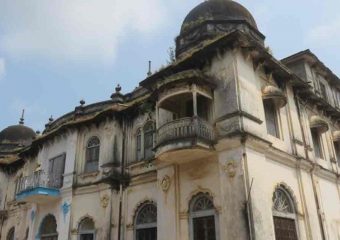
Jeypore, is perhaps the biggest town and a position of authentic importance in the region of Koraput in Odisha, India. The town was set up as a capital of the realm of Maharaja Veer Vikrama Dev in 1648-49CE. It was the biggest realm of Kalinga until the defiance of Balram Dev III. Afterward, the realm was crushed by the East India Company and was made a baronial domain or Zamindari in 1780 until its disintegration in 1947. Generally, the recent realm was spread absurd locales of North Andhra and South Odisha.

Jeypore is encircled by slopes of the Eastern Ghats and the Araku slopes on three sides like a horseshoe with the western side opening up to Chhattisgarh in focal India. Basically, this spot was picked by the Maharaja due to its essential importance.

History

Prior to getting the name ‘Jeypore’ by the Suryavanshi lords this land was administered by different traditions like the Satavahanas, Ikshavakus, Nalas, Gangas and Shilavanshis. In 1443, Vinayak Dev the sovereign of Northern Kashmir wedded the solitary little girl of the Shilavanshi lord and acquired the realm of Nandapur.

In 1571, after the demise of the Suryavanshi lord, Maharajadhiraj Maharaja Vishwanath Dev Gajapati, the realm under the connection of his child Maharaja Balram Dev lost incessant fights to the Qutb Shahi of Golconda and turned into a feeder realm.

In 1649, Maharaja Veer Vikram Dev deserted the old capital of Nandapur and established Jeypore, situated in the midst of bumpy reaches and thick woodlands. It is accepted that the persistent interruption of the Qutb Shahi lead representative and his military which was debilitating the organization of Nandapur constrained the ruler to move his funding to a deliberately reasonable land. It stayed a feeder for over a century however in 1674, Maharaja Vishwambhar Dev crushed the Qutb Shahi Governor of Chicacole who controlled for the Sultan of Golconda and guaranteed power. This ruler is known as the dad of the medieval arrangement of Jeypore on the grounds that he set up numerous zamindaris across the North Andhra and South Odisha area. Be that as it may, the military upset executed by Balram Dev III against his sibling Maharaja Ramchandra Dev in 1710 guaranteed the breakdown of the realm. Numerous feudatories of Andhra asserted freedom from Jeypore and the realm lost a huge degree of region.

The realm confronted numerous difficulties yet stayed sovereign until the coming of the British in 1777. Maharaja Vikram Dev struggled the adversaries on two fronts yet was crushed on the two events and his realm was downgraded to a Zamindari for its unfriendly position towards the British.

Indeed, even as a zamindari, the development and improvement of Jeypore proceeded in the system of Maharaja Ramchandra Dev III, Maharaja Vikram Dev III, Maharaja Ramchandra Dev IV and the last authority ruler, Maharaja Vikram Deo Verma (Vikram Dev IV).

In 2013, Vishweshvar Dev was delegated as the faker Maharaja of Jeypore turning into the twenty-seventh lord on the 570th commemoration of the dynasty.