Bhima Dunguri

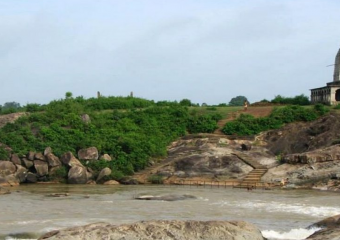
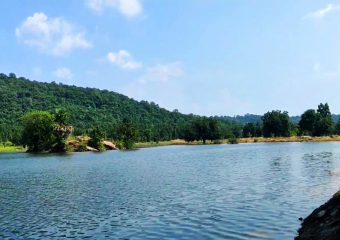
Bhima Dunguri is attributed to a particular place on the tourist map of the Balangir district as its magnificent natural abundance and beauty are surrounded by evergreen forests. Bhima Dunguri is famous for its ancient natural caves scattered in different parts of the hill area. In the spring season, the spectacular view of the region is unique and therefore, so any kind of tourist is surely mesmerized by the beautiful landscape here.

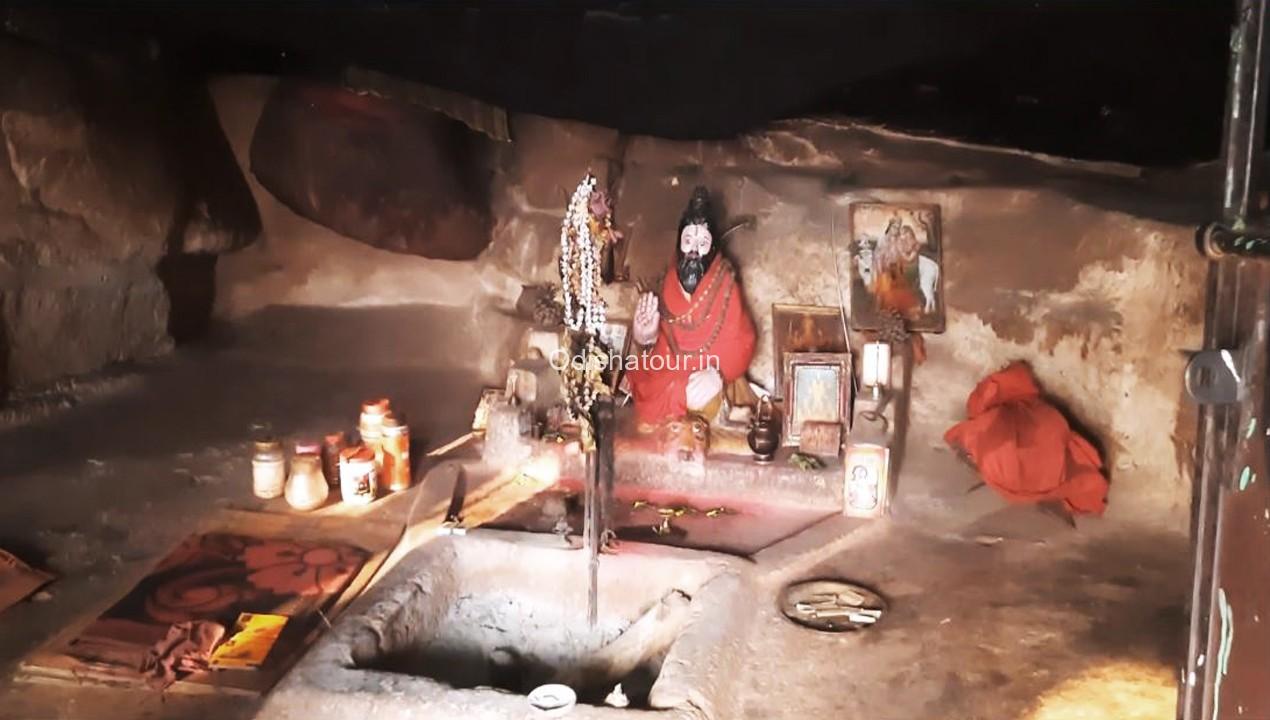
The locals here celebrate Girigovardhan Puja in the month of Kartik Purnima with much pomp and gaiety every year. On this auspicious occasion, a fair and a sikartana are organized simultaneously. Bhima Dunguri is just 28 km away Balangir is situated far away from the city under the Blocks of Devgaon. A good all-weather motorable road connected to this place from Balangir city is also. This is an excellent place for visitors coming on the weekend. Proper Hotels, Circuit Houses, IBs are available in Balangir city.

Nirmaljhar

Nirmaljhar is a perennial stream in the district of Ganjam in the Indian state of Odisha. It is situated beside the temple of Lord Vishnu. Nirmaljhar flows in the eastern ghats through the Badaghati mountain. the Princess of Khalikote Smt. Sugyani Devi has currently constituted a committee to promote Nirmaljhar as a tourist destination.
Inside the compound area, along with the Vishnu temple, there are many temples like Jagannatha, Bimala, Radhakrishna, Nilakantheswara, and Ganesa. According to history, the construction of these temples was taken up by the raja of Khalikote, the Balunkeswar Maharaj, about 1700 AD.
Nirmaljhara is situated at 19.60°N 85.066°E. It has an average height of 13 m (43 feet). There is no government place available at the site, though there is a Panth Nivas near Rambha, about 10 km. Is far away.
According to folk literature, the name Nirmaljhara is taken from the two Sanskrit / Odia words “Nirmala “which means ‘pure’ and “jhara” which means ‘stream’.
Nirmaljhar has both road and rail links Towards the north, it is 60 km from Berhampur and on the southern side, it is about 120 km from Bhubaneswar, the state capital. The nearest railway station is Khalikot station and is 9 km away from Nirmaljhara.

Debakunda

Debakunda or Devkund is a natural pond which is located in the Mayurbhanj district of Odisha in India and is a part of Simlipal National Park. The water flowing from the adjoining stream has created this pond. There is a temple called “Ambika Mandir” which was discovered during the British Raj by a researcher and king Rajkumar Prafulla Chandra Bhanja Dev, who stayed in Devkund and researched about this place. Debakunda is the habitat of the lichen species such as Parmeliaceae. Debaikund is a combination of two words. One is “Deba” (deity) and another one is “Kunda” (a small tub or pond). This is a very beautiful religious and tourist spot and natural beauty of Odisha.

Location :

Debakund place is situated in Udala block which is situated 85 km from Balasore district and 60 km from Baripada main town.

Ramatirtha

Ramatirtha is located near the city of Jashipur in the Mayurbhanj district of Odisha. Ramatirtha is situated under the Similipal National Park. This is the only crocodile rearing center in the Mayurbhanj district which attracts many tourists. The Ramatirthaa of mayurbhanj is very famous in Odisha because of its natural beauty and temple of Sri Ram.
According to Indian mythological history, in the days of Tretaya yuga, Lord Shri Rama had passed through the jungle of simiipal along with Goddess Sita and brother Laxman; While tired, Sita sat on the plateau for a while and washes her face and feet in the river flowing down. After that Ramatirthaa of Mayurbhanj became a famous place after the name of Shri Ram and Goddess Sita. Every year in Makar Sankranti (middle of January), the Mahanta people are celebrating the Tusumelana festival or Tusu Parb.

This location is 96 K.M from Mayurbhanj district headquarters Baripada,153 K.M from Balasore, 285 K.M from Bhubaneswar is far away. The place is well connected by taxis and jeeps.